
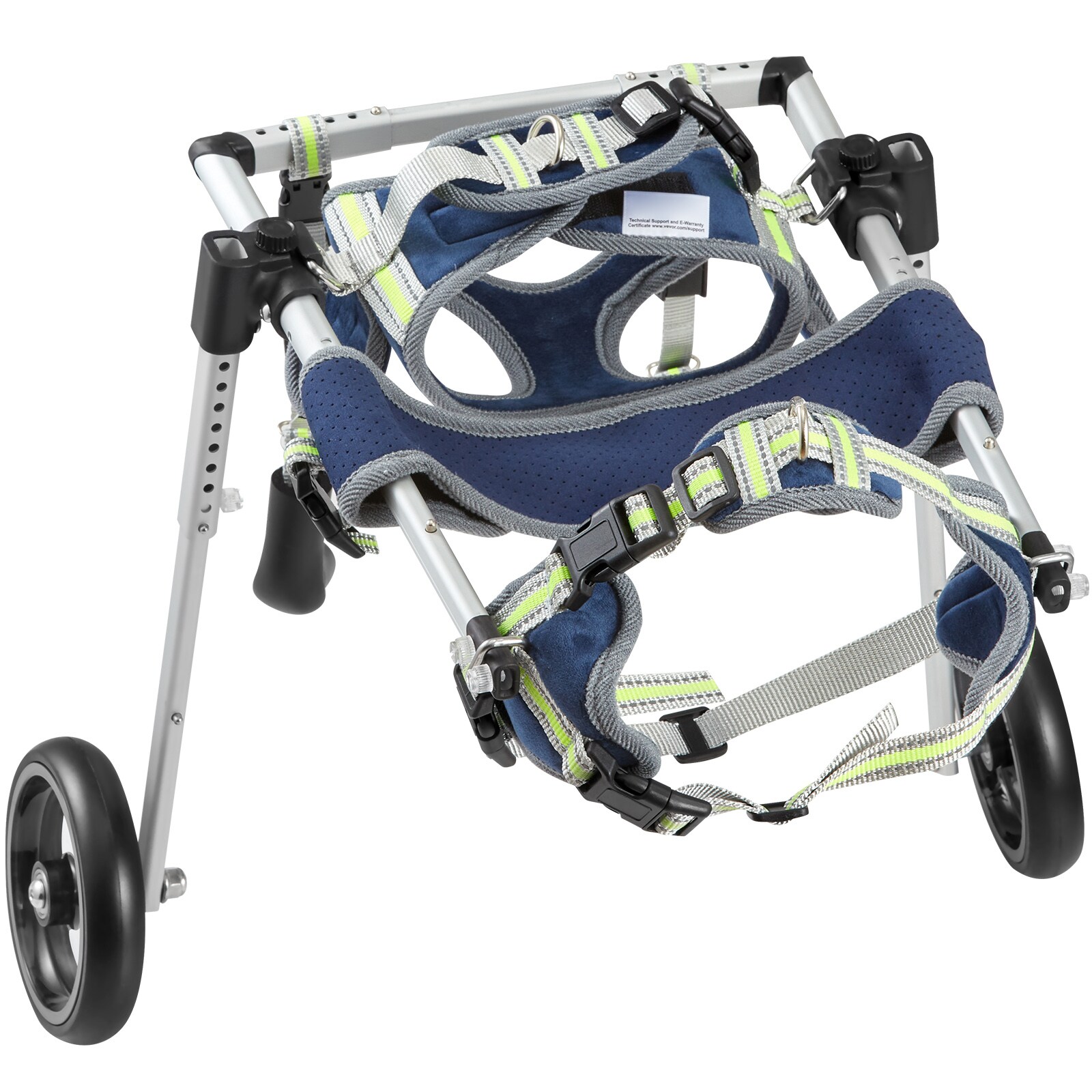
Dog Wheelchair: Enhance Your Dog’s Mobility and Quality of Life
Dogs are more than pets—they’re loyal companions who deserve the best quality of life, no matter their physical condition. For dogs with mobility challenges due to injury, paralysis, degenerative diseases, or aging, a dog wheelchair can make a world of difference. These specialized devices help dogs regain independence, exercise safely, and maintain mental and physical health.
What Is a Dog Wheelchair?
A dog wheelchair, sometimes called a dog cart, is an adaptive mobility device designed to support dogs with limited or no use of their legs. Wheelchairs can support the front legs, hind legs, or all four legs depending on the dog’s condition. They are typically lightweight, adjustable, and equipped with harnesses to keep the dog secure while allowing natural movement.
Benefits of a
-
Improved Mobility: Dogs regain the ability to walk, run, and play, which promotes muscle strength and circulation.
-
Pain Reduction: Reduces stress on joints and injured limbs, making movement more comfortable.
-
Mental Wellbeing: Regaining mobility often improves a dog’s mood, confidence, and overall quality of life.
-
Independence: Dogs can move around without constant human assistance, fostering autonomy.
Who Can Benefit From a Dog Wheelchair?
-
Dogs with paralyzed hind legs due to spinal injuries or degenerative myelopathy.
-
Dogs recovering from surgery or injury that temporarily limits mobility.
-
Senior dogs with arthritis or weak legs.
-
Dogs born with congenital deformities affecting their ability to walk.
Choosing the Right
Selecting the right wheelchair is crucial for comfort and effectiveness:
-
Measure Your Dog: Proper fit is essential; measure height, length, and weight.
-
Front vs. Rear Support: Choose a wheelchair designed specifically for front or rear leg support depending on your dog’s needs.
-
Adjustability: Adjustable wheelchairs can grow with your dog or accommodate changes in mobility.
-
Quality and Durability: Look for lightweight yet sturdy materials like aluminum frames and durable wheels.
Training Your Dog to Use a Wheelchair
-
Introduce Gradually: Let your dog explore the wheelchair without forcing them.
-
Short Sessions: Begin with a few minutes and gradually increase duration.
-
Positive Reinforcement: Reward your dog with treats and praise to build confidence.
Maintaining Your
-
Regular Cleaning: Keep the wheelchair clean to prevent irritation or infection.
-
Check for Wear and Tear: Inspect wheels, straps, and joints regularly.
-
Adjust as Needed: Dogs’ mobility may improve or change, requiring adjustments.
Conclusion
A wheelchair can transform the life of a dog facing mobility challenges, giving them freedom, comfort, and joy. By choosing the right wheelchair and supporting your dog through the adjustment process, you can help them lead an active and fulfilling life, even with physical limitations.

Reviews
There are no reviews yet.